
Expert witness · Failure analysis
Opposing counsel will attack the credentials before the opinion. Ours are published.
When a plastic part ends up in litigation, the case turns on what the broken part can prove and whether your expert survives cross. Paul A. Tres wrote the field’s standard textbook, has testified since 1997, and has spent four decades investigating exactly the failure modes at issue in your matter.
Built for cross-examination
Four attacks. Four answers already on the record.
The first question in cross is always a version of “why should the jury believe you over their expert?” When your expert wrote the book the other side’s engineer studied in school, that question answers itself. Published authority here is case strategy, not marketing.
| What opposing counsel says | The ETS answer |
|---|---|
| “You’re not a real plastics expert.” | Fellow of SPE; author of the field’s standard textbook, 10th edition, Carl Hanser |
| “Your methodology is ad hoc.” | Analysis per ASTM, ISO, SAE and USCAR standards; FMEA method; a documented failure record |
| “You’ve never seen this failure mode.” | Four decades of investigations across automotive, medical and consumer products |
| “You’re a hired gun.” | Conflict check before engagement; evidence-driven opinions with a limitations section |
Matters we support
Wherever a plastic part becomes the evidence.
Plaintiff or defense, OEM or supplier, insurer or insured. The analysis follows the physics.
Product liability
Component failure, injury causation, design versus manufacturing defect.
Patent disputes
Prior art, claim construction support, invalidity opinions on part-design and joining patents.
Contract disputes
Supplier quality escapes, tooling acceptance and specification compliance.
Insurance claims
Root-cause determination for subrogation and coverage decisions.
The evidence
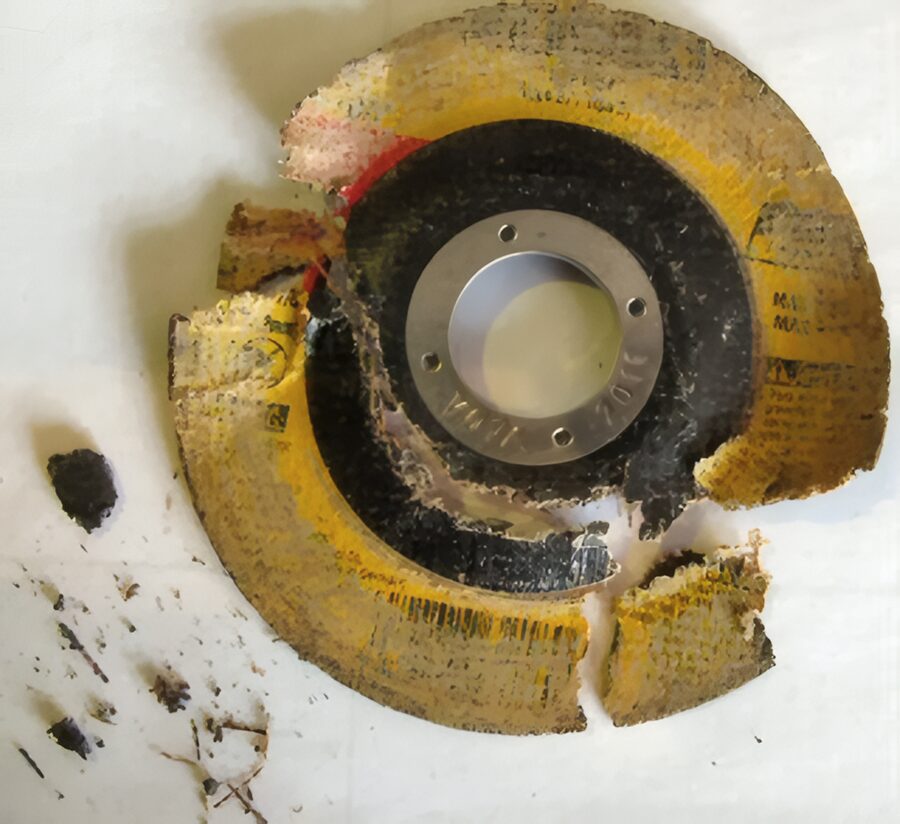
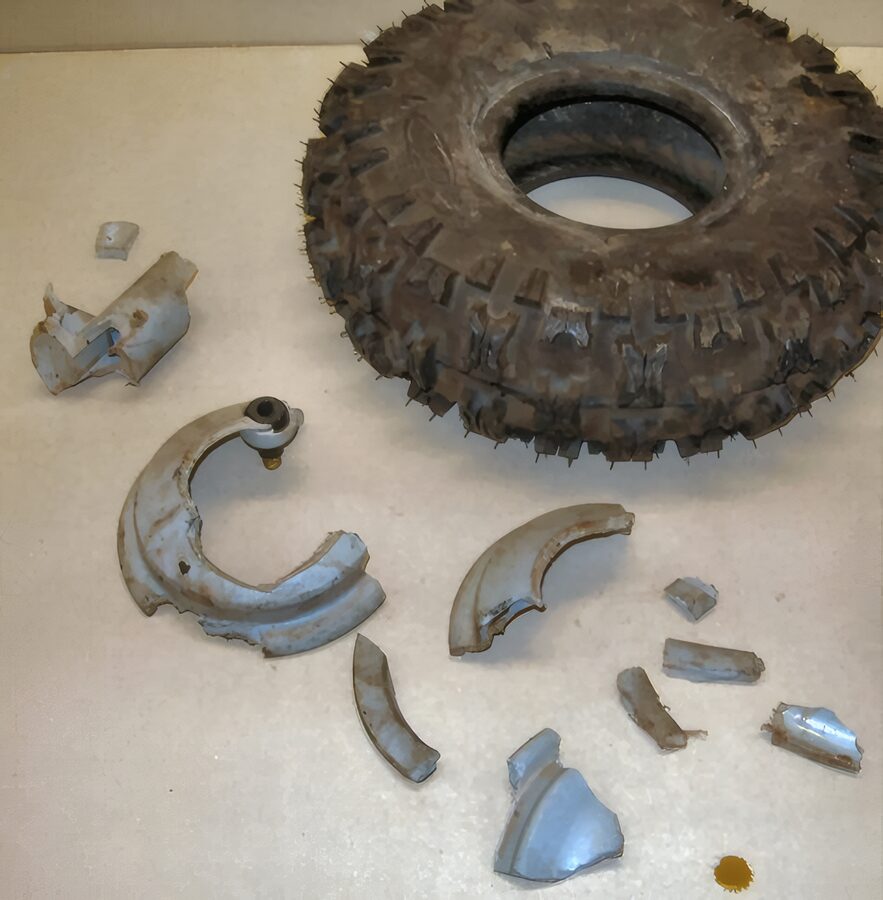
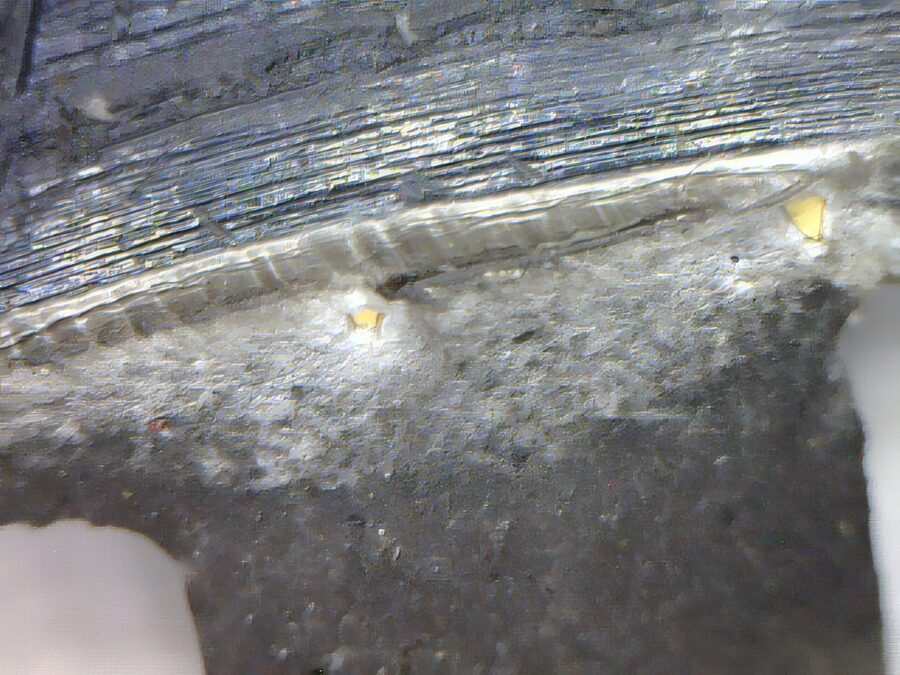
The part is the first witness.
Every opinion starts with the physical evidence: how the part was designed, molded, loaded and broken. We examine it, test where the evidence calls for it, and write to what the physics supports, limitations included.
Representative failure evidence. Matter details are never published.
How an engagement works
Defensible at every step.
A structured process refined over hundreds of matters.
- Conflict checkAgainst prior relationships, before any engagement discussion. Engagement letter defines scope and fees up front.
- InvestigationPleadings, discovery and prior reports; physical examination; independent testing where needed.
- Expert reportFindings, methodology, opinions and limitations, each supported by evidence and documented failure data.
- Deposition & trialDemonstratives and testimony that translates polymer science into plain language for judges and juries.
Confidential intake
Tell us about the matter. Conflict check first.
Case type, jurisdiction, product involved and timeline. We run the conflict check, then respond within one business day with availability, a CV and the fee schedule. Case-history references on request.
- Need a specialist outside plastics? Our partner expert-search network screens candidates across thousands of domains, and the search costs nothing.
- Deadline pressure? Put court dates in the description; they set our priority.